Porto Travel Guide: Best Things to Do, Food, Beaches, and Wine









Disclosure: Some links in this post are affiliate links, meaning I may earn a small commission if you book through them, at no extra cost to you. I only recommend places, tours, and stays I've personally used or would recommend to a close friend.
Porto is one of Europe's most charming cities. Tile-covered buildings, sweeping river views, and a food and wine scene that delivers every single day. This guide pulls together everything from my earlier trip and my longer 2025 stay so you get a full picture of what to do, where to eat, and how to explore Porto like someone who actually spent time wandering the city, not just ticking off tourist stops.
This guide is for women in their late 20s, 30s, and 40s who want a Porto trip with depth. Comfortable stays in the right neighborhood, the wine tour that's actually worth the money, the brunch spot locals book ahead, and the side of the river most travelers miss.
Getting to Porto
Porto's airport (OPO) is small but efficient. The metro line E (purple) runs from the airport to the city center for about 2.50 EUR and takes 30 minutes. Don't take a taxi unless you've got heavy luggage.
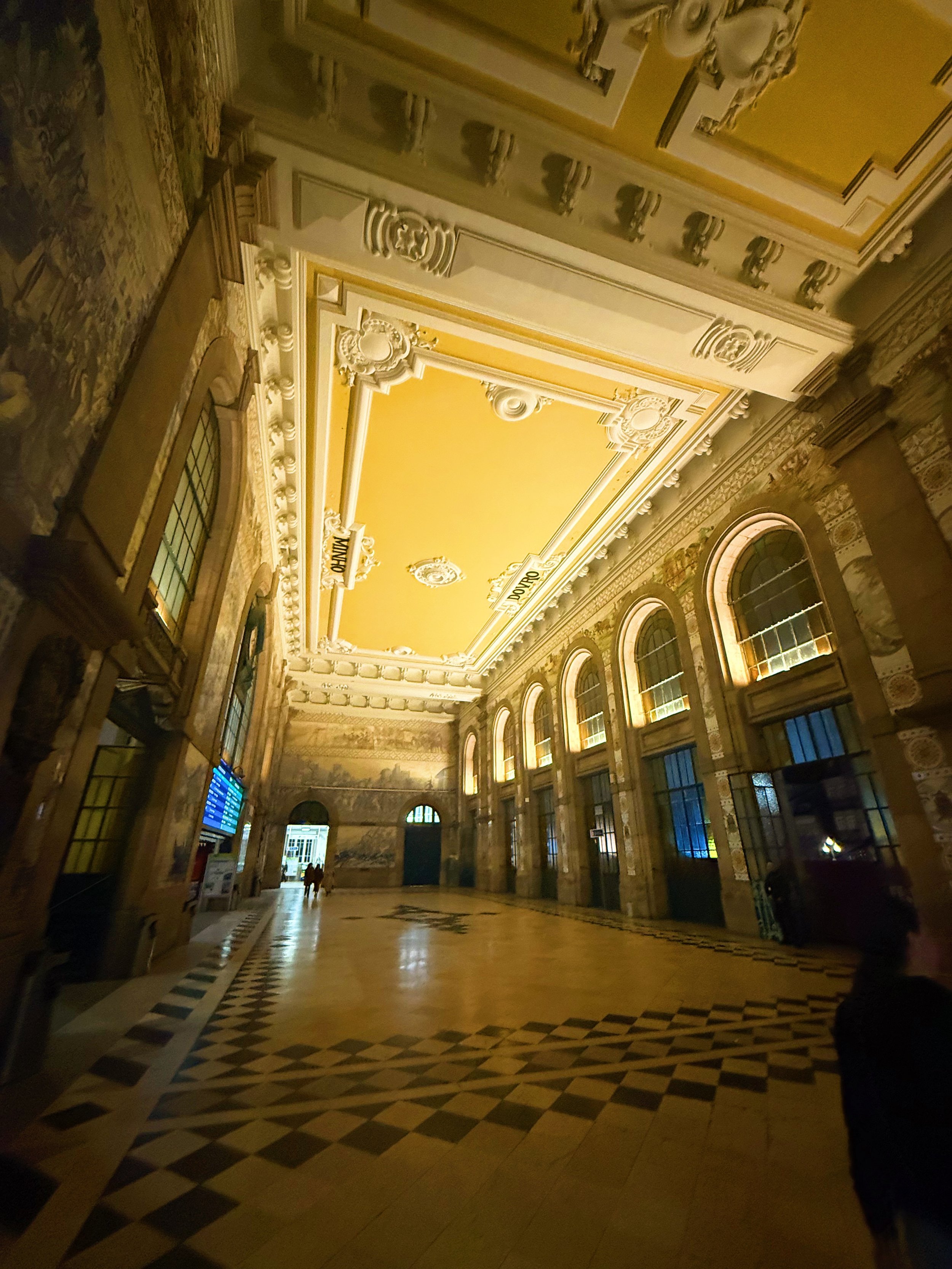
The train from Lisbon is the classic route, 2 hours 50 minutes on the Alfa Pendular high-speed line. When I first visited, my friend Jessica and I found out the hard way that you need to arrive at the station at least 30 minutes before departure. The platforms are massive and it is very easy to miss your train if you cut it close. Luckily we grabbed new tickets and hopped onto the next one (just imagine us showing up to the train station, finding our terminal and then watching our train slowly leave, very humbling).
Portuguese trains are comfortable, spacious, and quiet. They even serve food and wine, perfect if you are tired or hungover and want to sleep through the ride. Book through CP (Comboios de Portugal) directly.
Once you arrive, the mix of hills, waterfront promenades, and historic buildings makes it feel like you stepped inside a painting.
When to Go
May, June, September, and October are the sweet spots. July and August are warm but crowded. November through February are mild but rainy, with shorter hours at the wineries. São João festival on June 23-24 is the best night of the year to be in Porto if you can plan around it: live music in every plaza, plastic hammers to gently bonk strangers on the head (a real local tradition, I'm not making this up), fireworks over the river, and the whole city in the streets until dawn.
Where to Stay in Porto
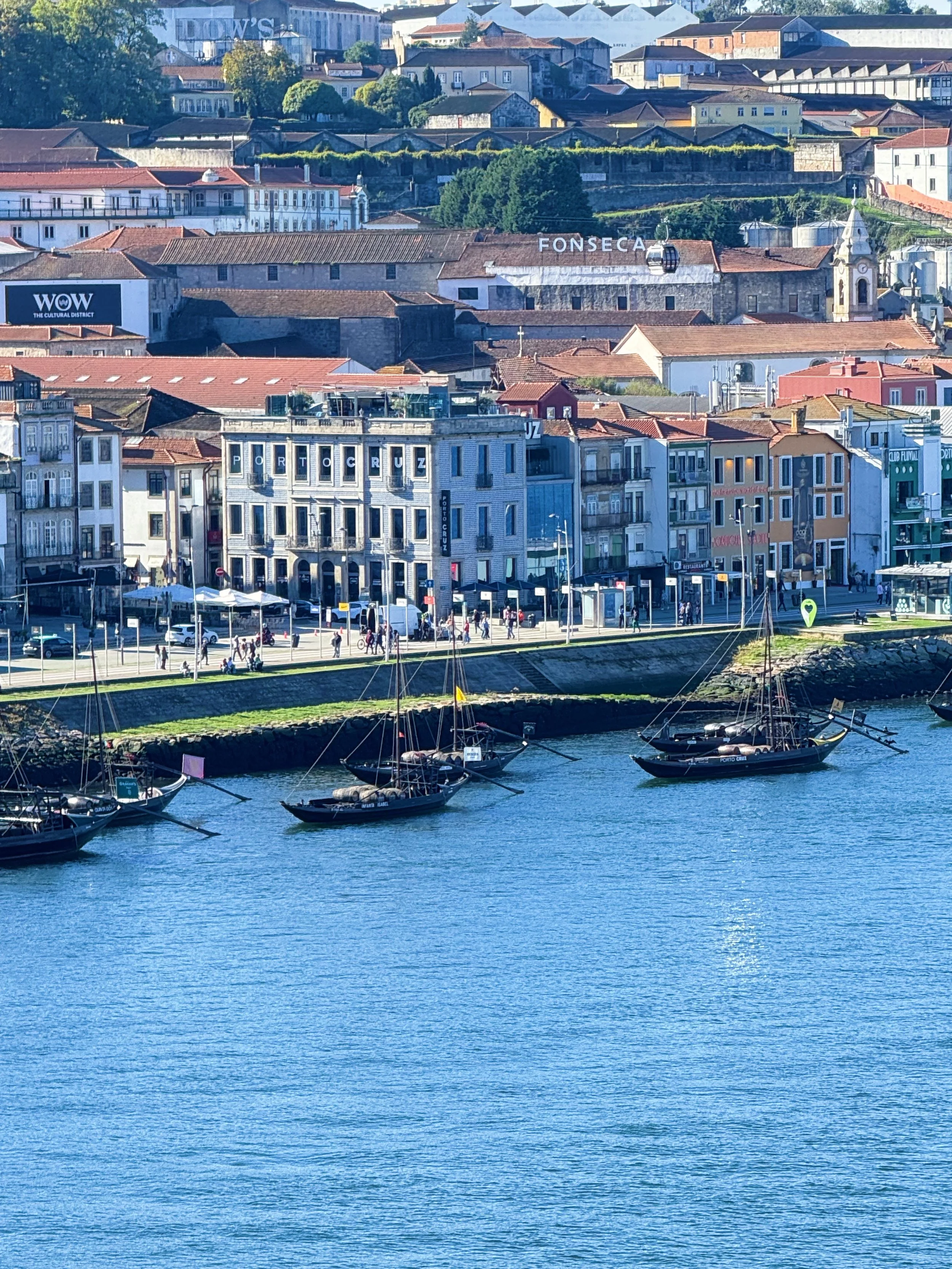
I've stayed in both apartments and hostels and they each offer something different. The neighborhoods to choose between are Ribeira (riverfront, the postcard side of the city, very touristy in the daytime but quiet at night), Cedofeita (the design district, full of small shops and cafes, more residential), and Gaia (across the river, where the port wine cellars are, quieter base with the best views looking back at Porto).
Boutique Hotels Worth Booking
Torel Avantgarde (Cedofeita, on the cliff overlooking the river). Modern boutique with a small pool and the best skyline view from any hotel in Porto. Around 160 to 240 EUR/night. Best for: travelers who want a quieter base with a "wow" factor.
Rosa Et Al Townhouse (Cedofeita). Eight-room boutique inside a restored townhouse, design-forward, with a small garden. Around 130 to 190 EUR/night. Best for: solo travelers and couples who want a slower, more residential stay.
The Editory Riverside (Ribeira). New boutique right on the waterfront. Around 140 to 200 EUR/night. Best for: travelers who want the Ribeira location without staying in an old building with no elevator.
1872 River House (Ribeira). Eight rooms inside an 18th-century building two blocks from the river. Around 130 to 180 EUR/night. Best for: a small-hotel feel without going apartment.
Well-Located Airbnbs
The trick with Porto Airbnbs is stairs. Porto is built on a hill and many historic buildings have 4-5 flights with no elevator. Always ask the host directly before booking, especially if you have heavy luggage. A clean one-bedroom in Cedofeita or near Aliados runs 70 to 130 EUR/night. Walkable to everything if your knees are ready for it.
A Note on Hostels
I did stay at The Passengers Hostel during my Porto trip and it was one of the best hostels I've ever been to (and I've been in over 30, plus worked in one). Big comfortable beds, a weekly free pasta dinner if you buy a 3 EUR glass of wine, and a social-without-chaotic vibe. They run bar crawls if meeting people is part of your trip.
If you want the social side but you're past the dorm-bed phase, book a boutique stay and walk over to The Passengers Hostel's evening events. The community is the real value, not the bed.
Exploring Porto: Neighborhoods, Views, and Hidden Spots
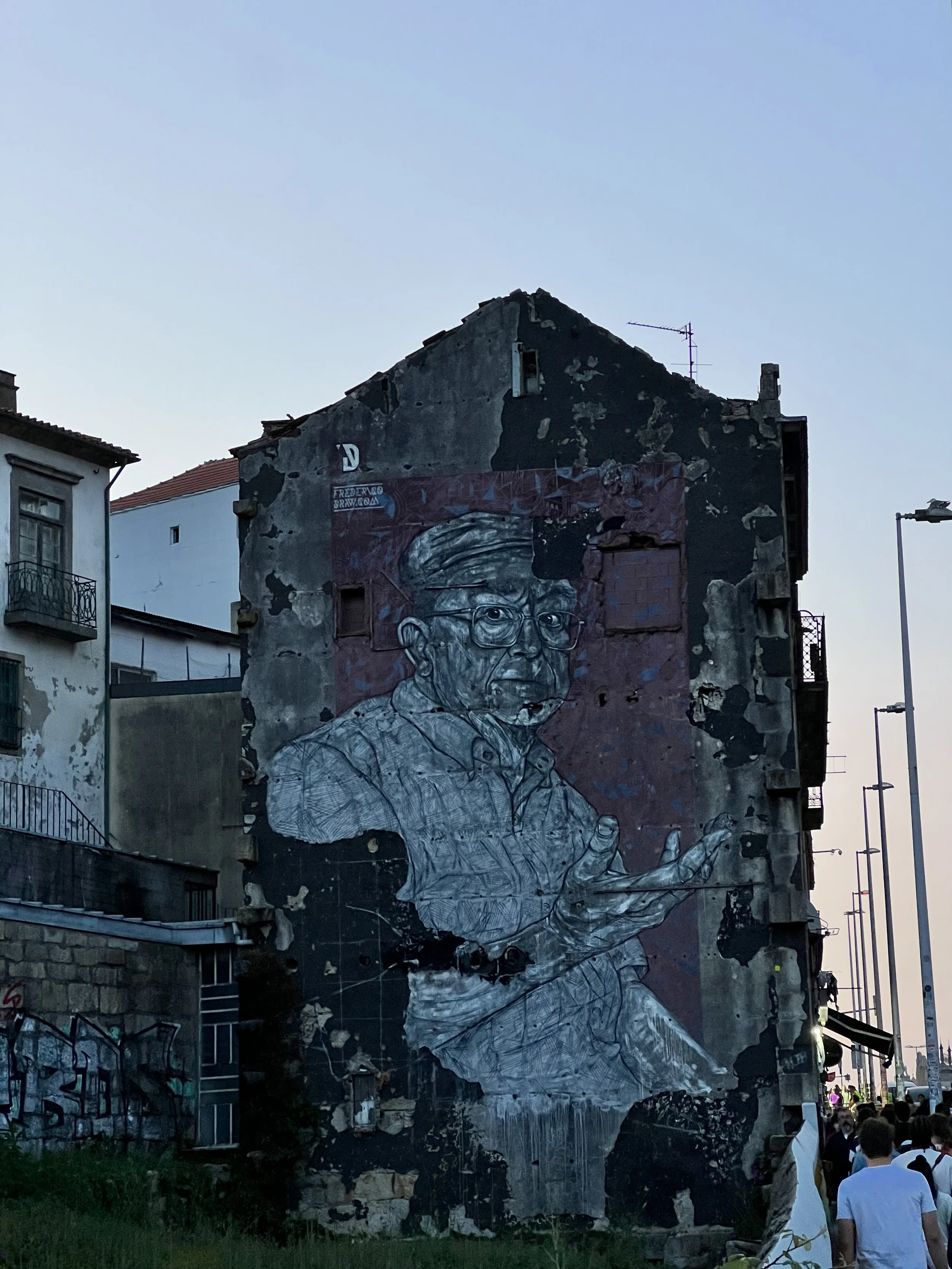
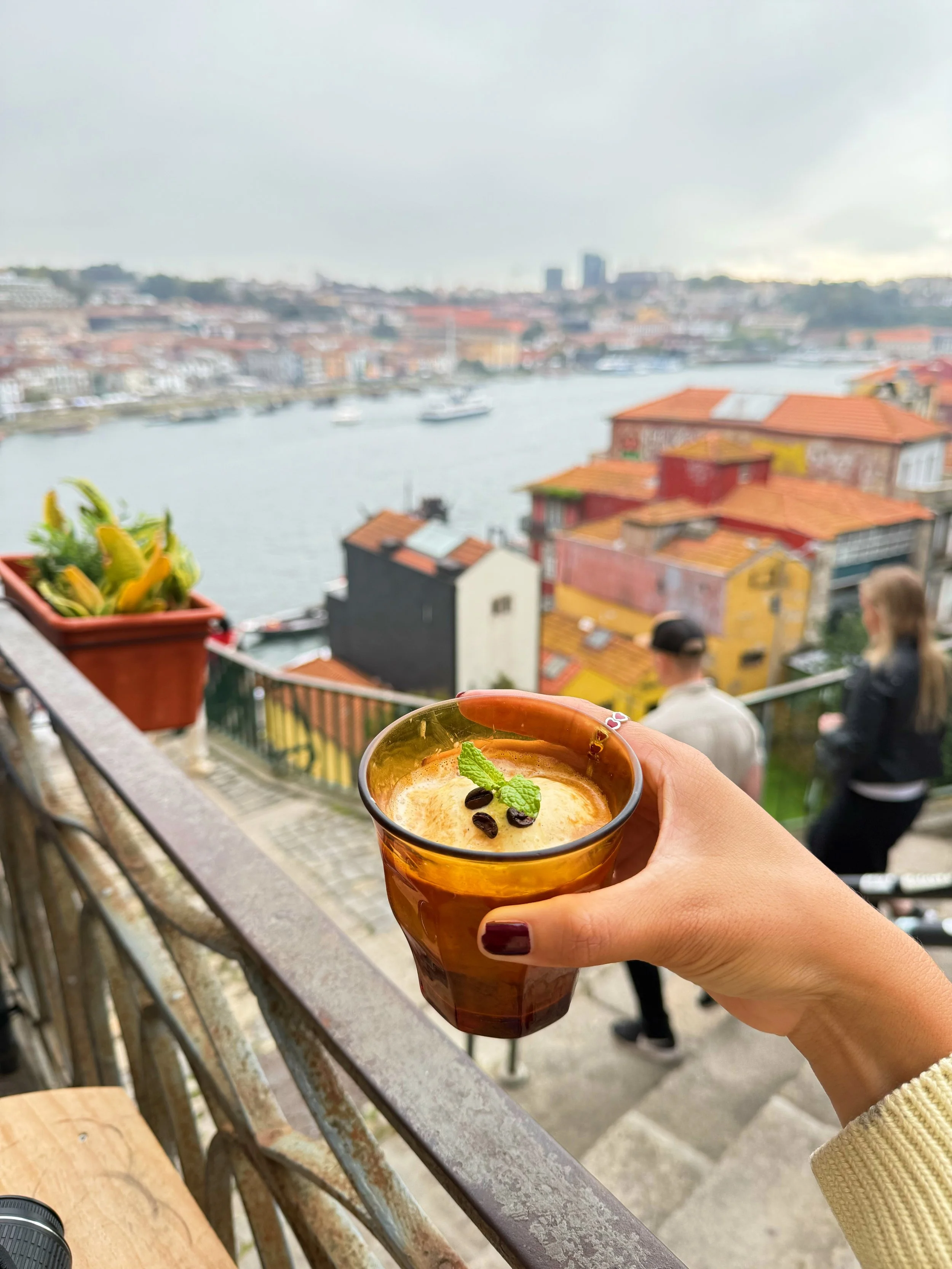
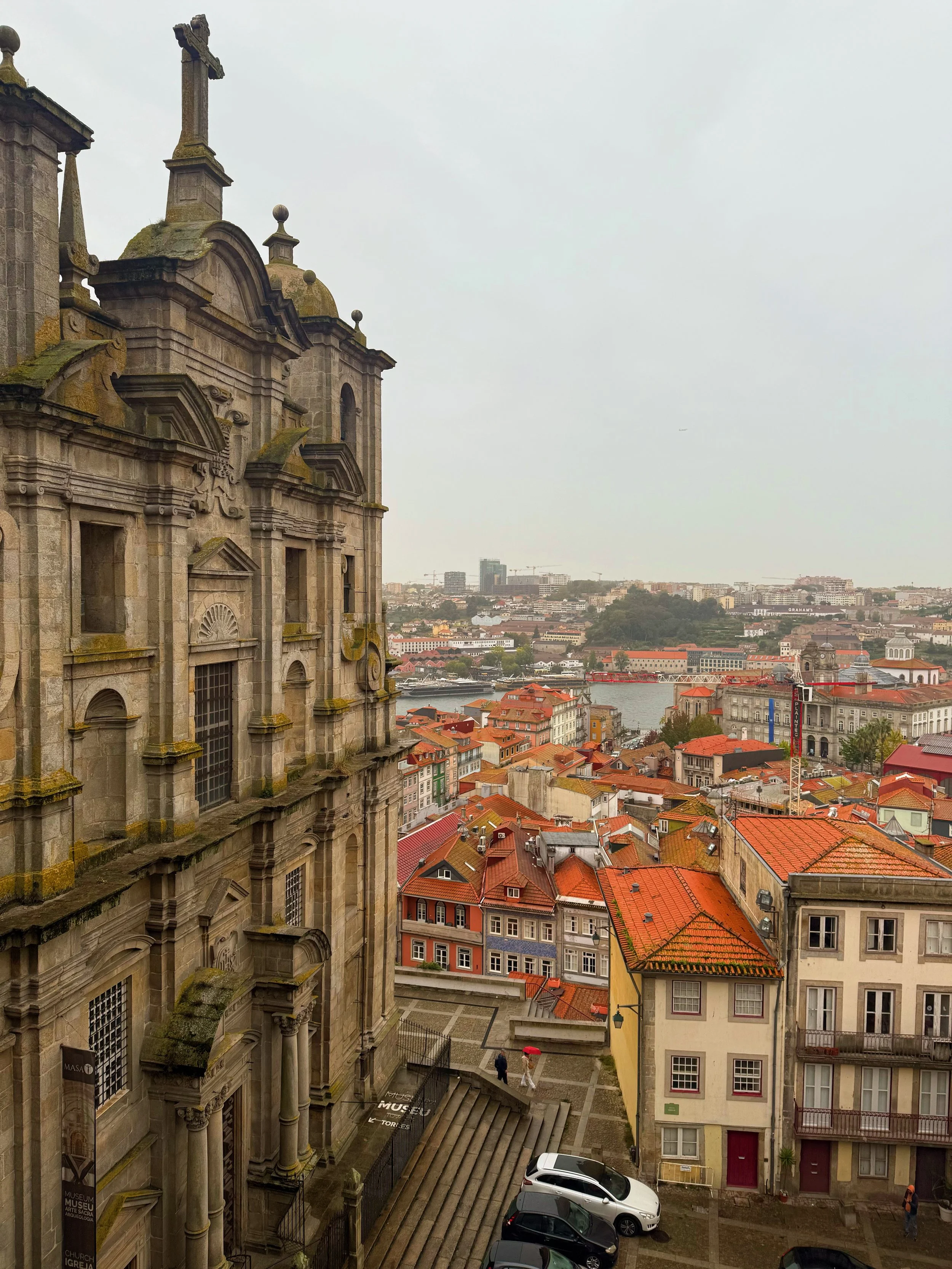
Ribeira is full of steep streets, hidden staircases, and sudden views over the Douro River. The kind of neighborhood where you can wander for hours without a plan. Porto rewards curiosity, so give yourself time to get lost and follow whatever street looks interesting.
Crystal Palace Gardens offers a quieter pace with some of the best river views in the city. Free to enter and surprisingly peaceful even on busy days, with peacocks roaming the paths. Plan an hour minimum, more if the weather is good.
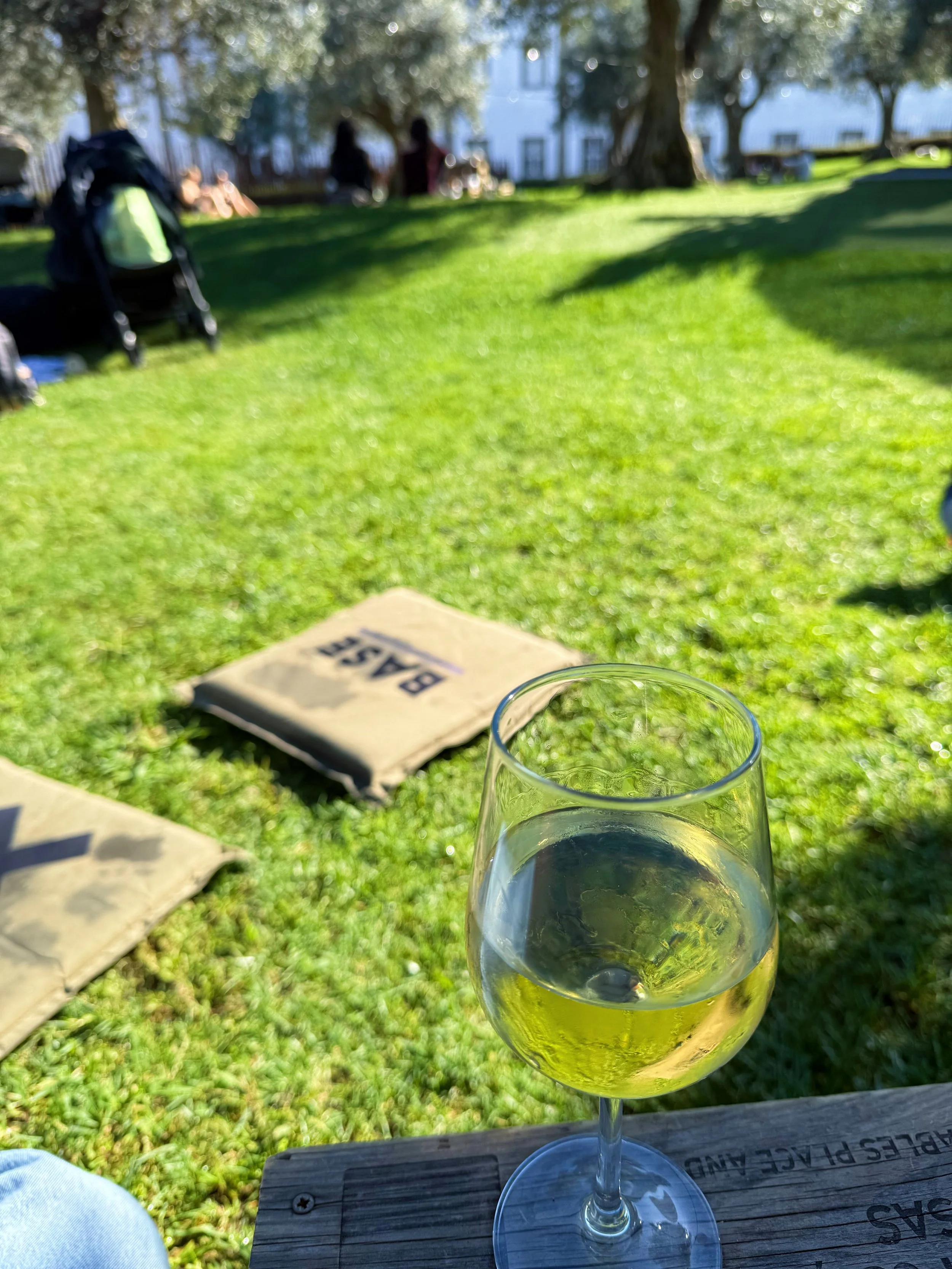
BASE ties it all together. A huge grassy space connected to an outdoor bar right in the city center, making it an easy place to pause, order a glass of vinho verde, sit in the sun, and slow the day down.
Other Spots Worth Visiting
Urban Market for local vendors and very strong mulled wine.
Chapel of Souls with its bright blue tiles.
Porto Cathedral for history and an overlook of the city.
Clérigos Church and Tower for views if you want a workout.
Saint Lawrence Church if you want a quieter alternative to the major cathedrals.
Feira de Vandoma for the best and biggest flea market in Porto. 7 AM to 1 PM, Saturday only.
Livraria Lello is the famous bookstore that inspired parts of Harry Potter. Stunning interior. Long lines and a 5 EUR entry fee that gets refunded if you buy a book. Worth it once, go at opening or skip it.
Capela das Almas for the floor-to-ceiling blue azulejo tiles. Two-minute stop, very Instagrammable, on the way to Cedofeita.
Gaia Beaches: A Peaceful Coastal Escape
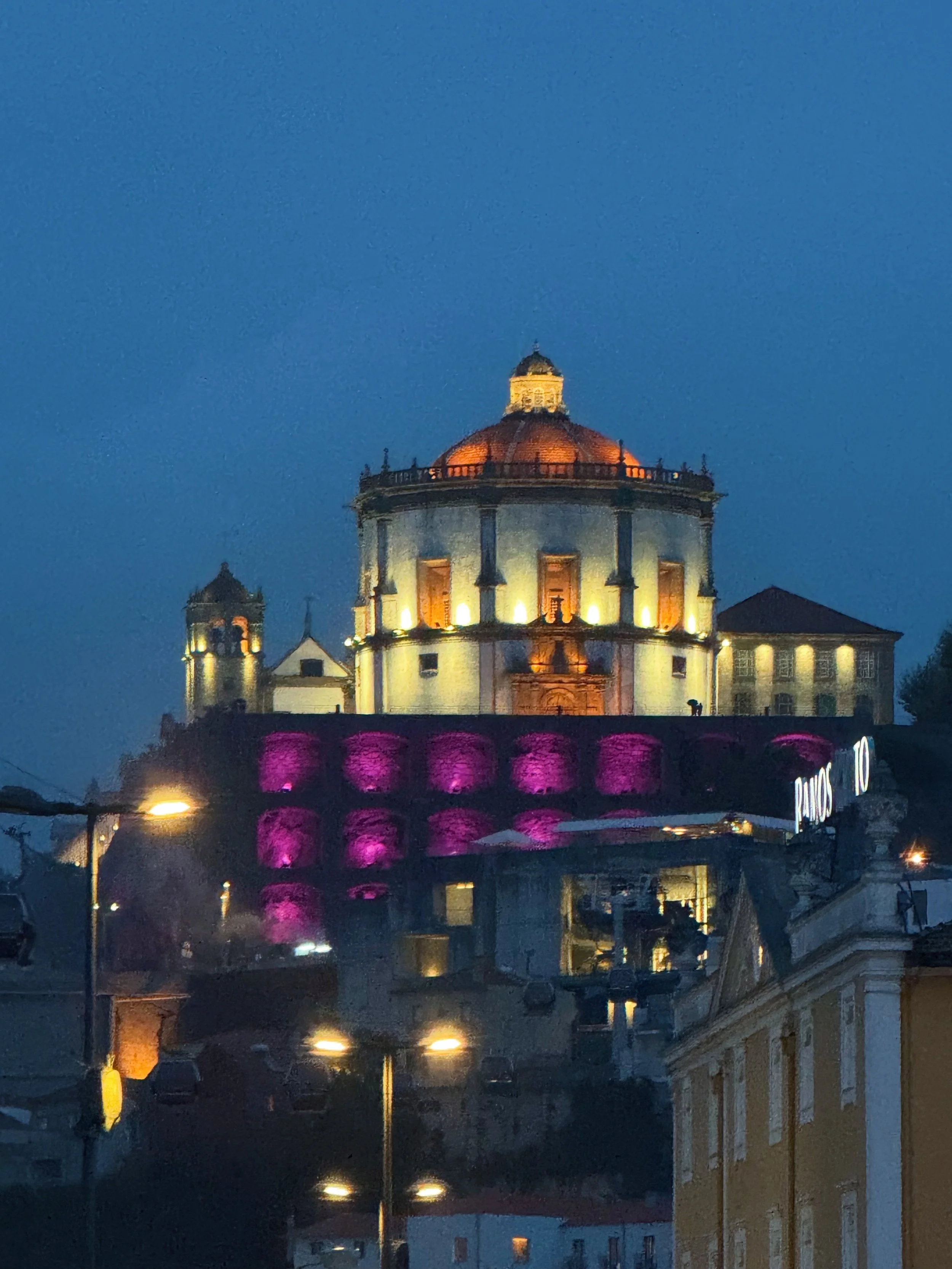
One of my favorite days in Porto was the walk to the beaches in Gaia. I crossed the Dom Luís I Bridge and followed the river until it opened up to the coast. The whole walk feels like a slow introduction to daily life on the Gaia side.
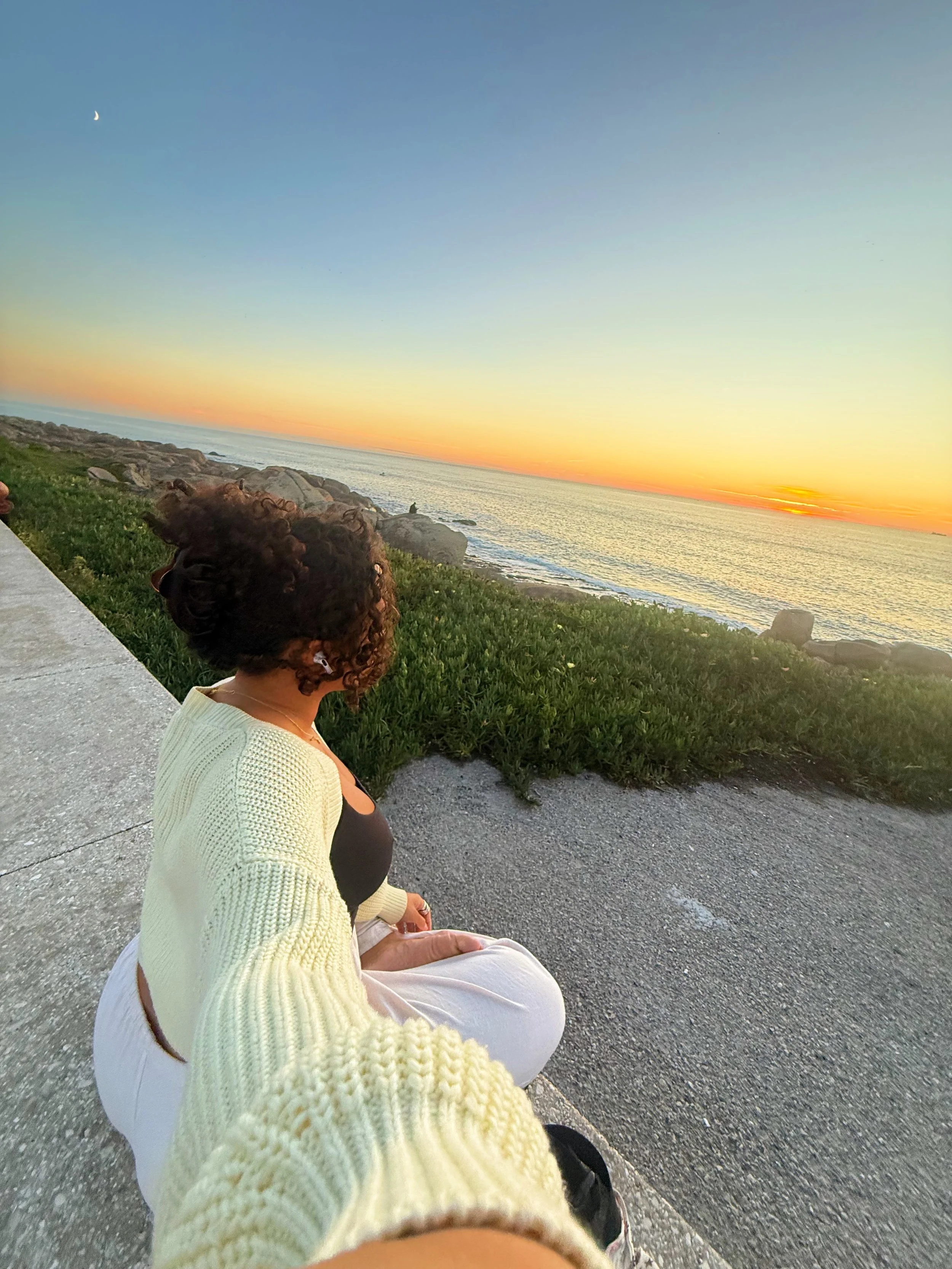
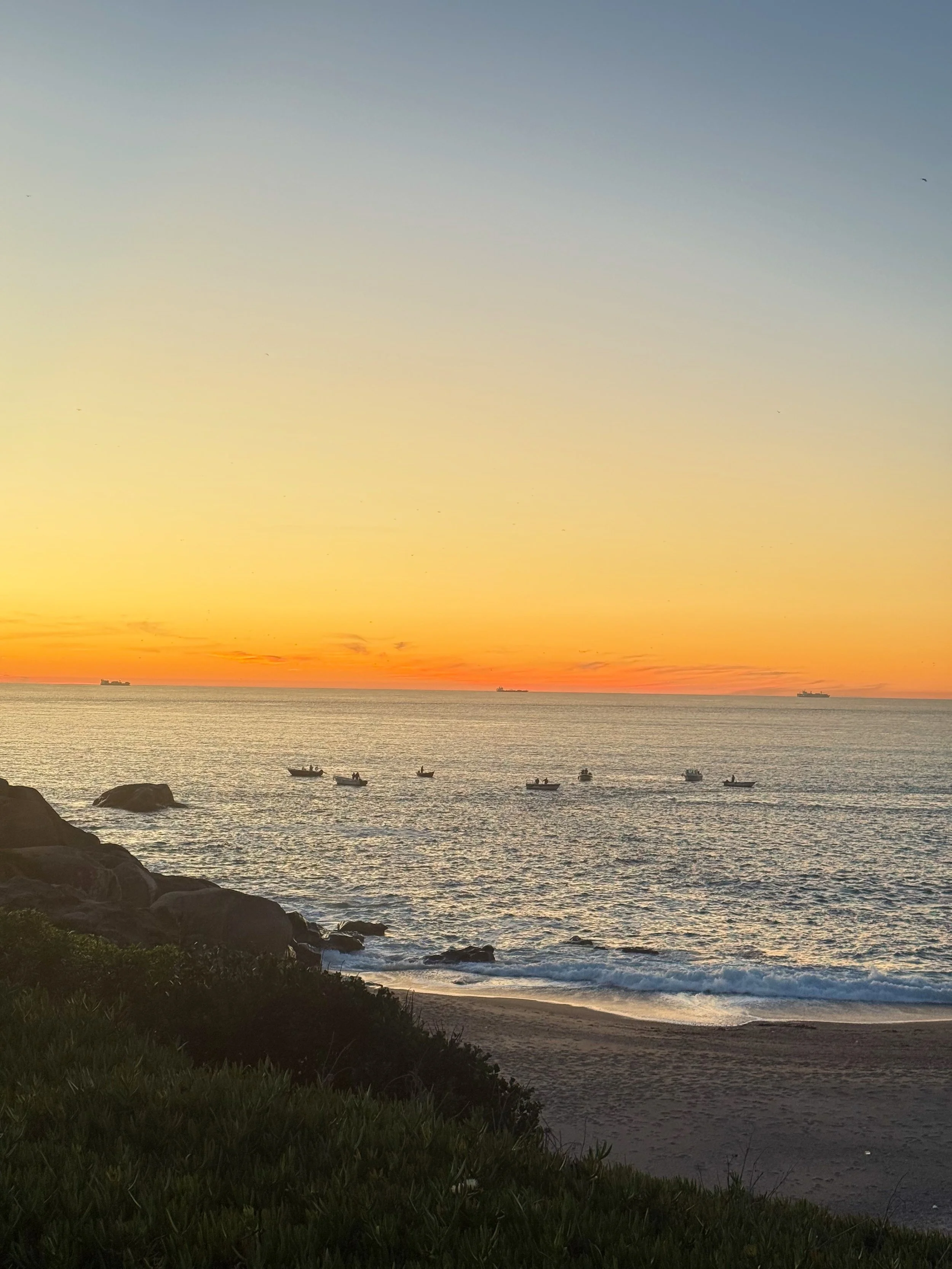
The beaches were nearly empty. I grabbed a crepe and an espresso from a small café nearby and sat along the sand watching the light change. Golden hour here is unreal. Everything glows. It is calm and quiet with the waves in the background and that warm, hazy light you only get at the coast.
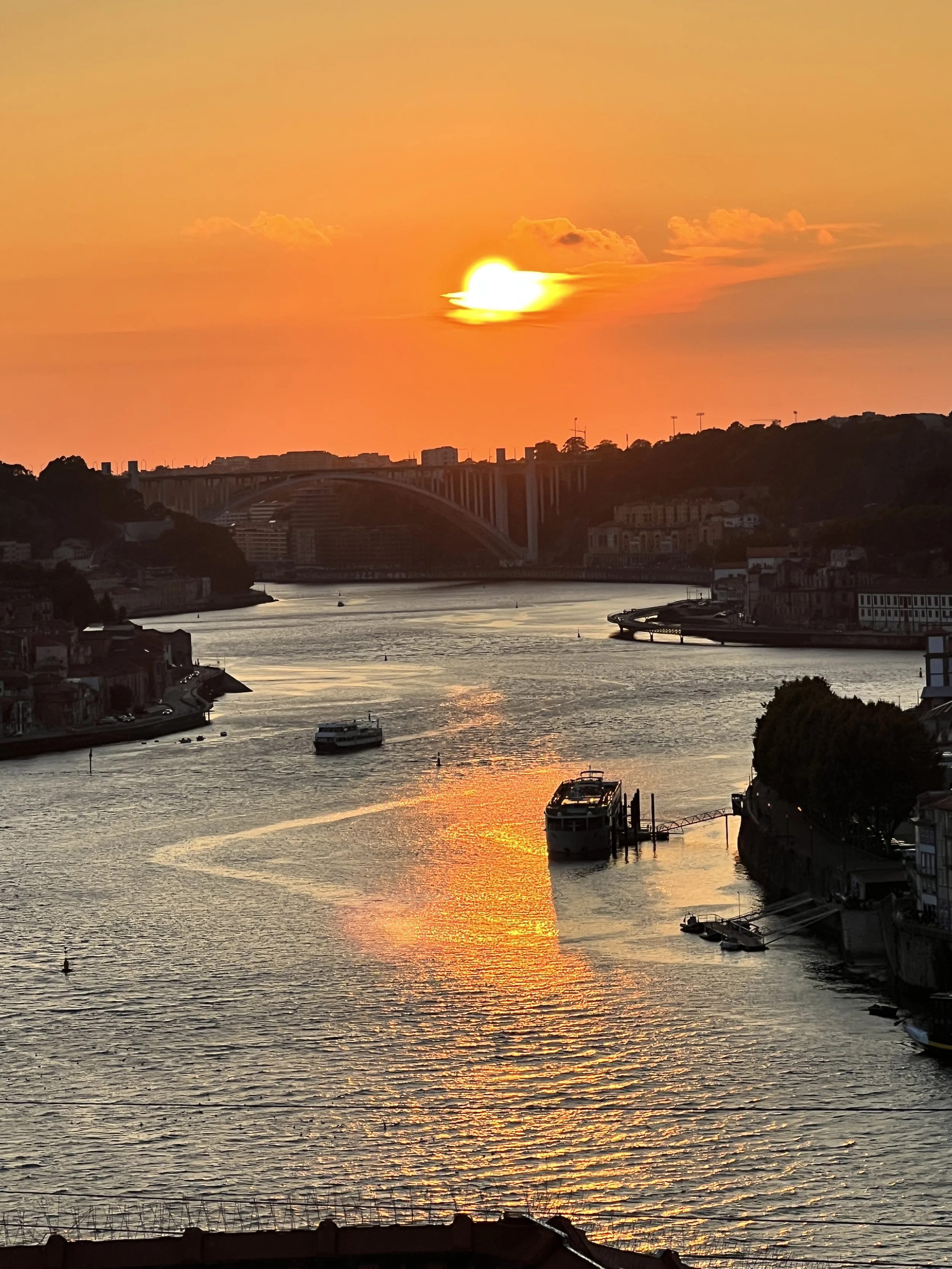
Stay for sunset. The colors along the Atlantic become deeper and more dramatic as the sun drops. It is the kind of moment that makes you forget you are only a short walk from the city.
For a closer beach without the walk, take the historic Tram 1 from Infante to the Foz do Douro area where the river meets the ocean. About 30 minutes, 6 EUR round-trip, and arguably the best public transit ride in Porto.
Jardim do Morro: The Best Sunset in Porto
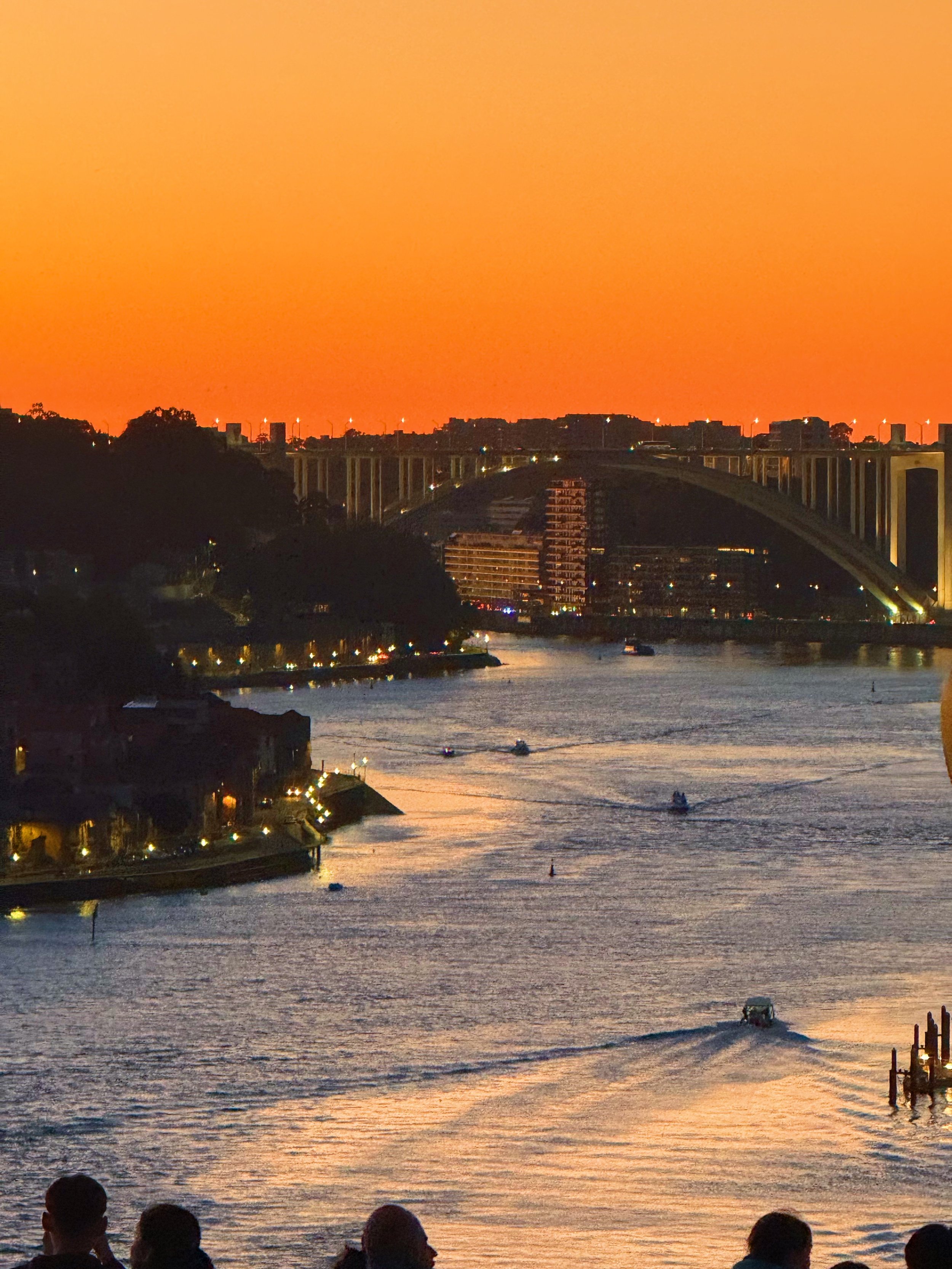
If you want something livelier than a quiet beach sunset, head to Jardim do Morro on the Gaia side of the Dom Luís I Bridge. Arrive early because the grassy terraces fill up fast. There is live music, local artists performing, small stands selling wine and snacks, and a crowd that actually appreciates the sunset. When the sun finally dips behind Porto, everyone cheers.
The colors peak after the sun is already down, so stay until it is actually dark. The mix of bright skies and the city lights reflecting on the Douro River gives the whole area a cinematic feel.
Food That Stands Out
Porto has great food, but these spots are worth going out of your way for.
Tapabento. Seafood and strong flavors. Book ahead, the small dining room fills up by 8 PM.
Gazela. The tiny grilled hot dogs (cachorrinhos) that everyone in Porto is quietly obsessed with. Counter-only, fast, cheap, perfect lunch.
Do Norte Café by Hungry Biker. Strong coffee and comfort brunch food. The eggs benedict and the avocado toast are the orders.
Honest Greens. Fresh bowls when you want something healthy after too much wine.
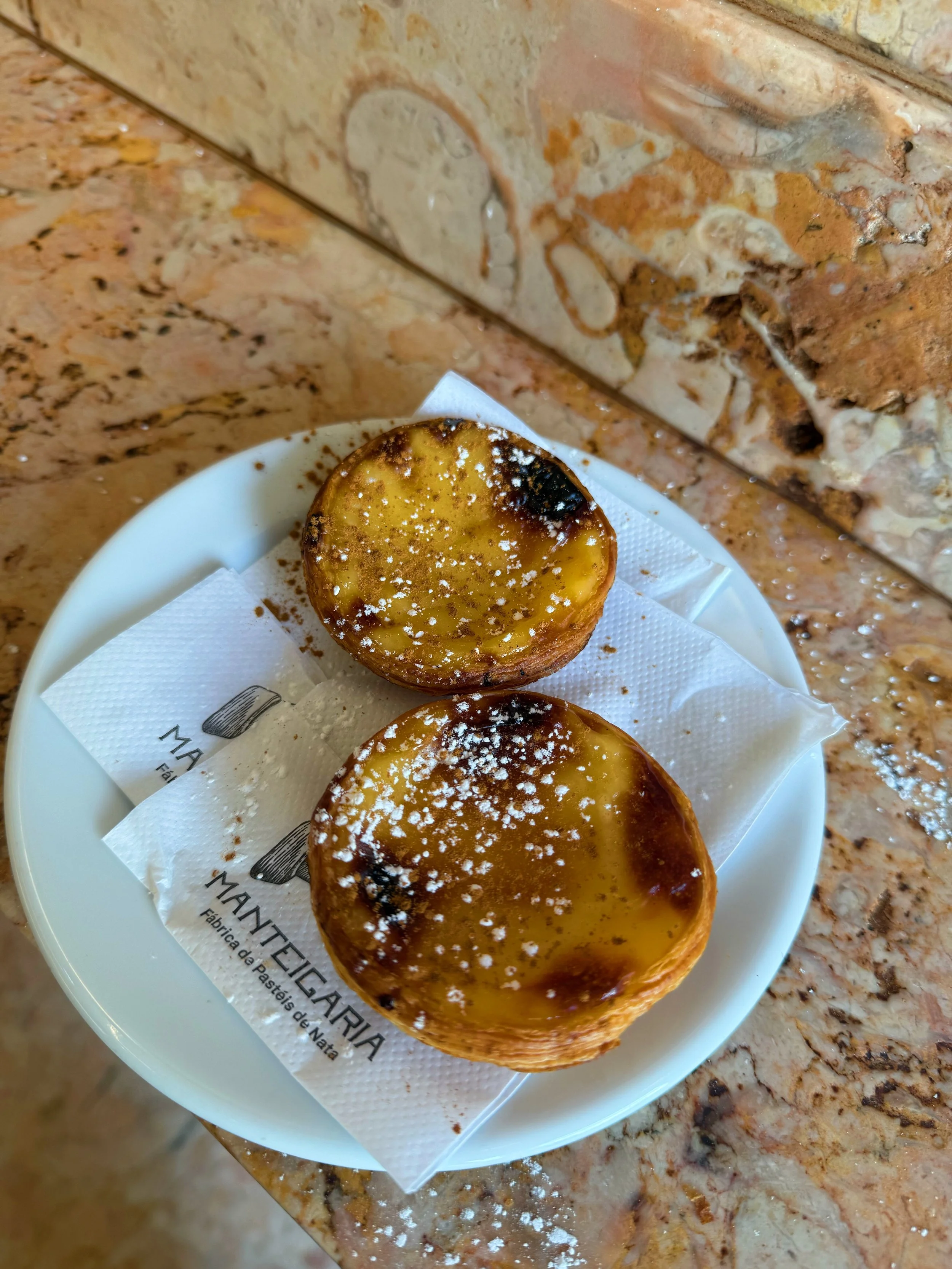
Manteigaria. The best pastel de nata. No debate. Multiple locations across Porto.
My Coffee Porto. Right by the bridge with a great river view.
Época. Thoughtful brunch dishes done well. Book ahead on weekends.
Subenshi Sushi. Some of the best sushi I've ever had, in a city you wouldn't think of for sushi.
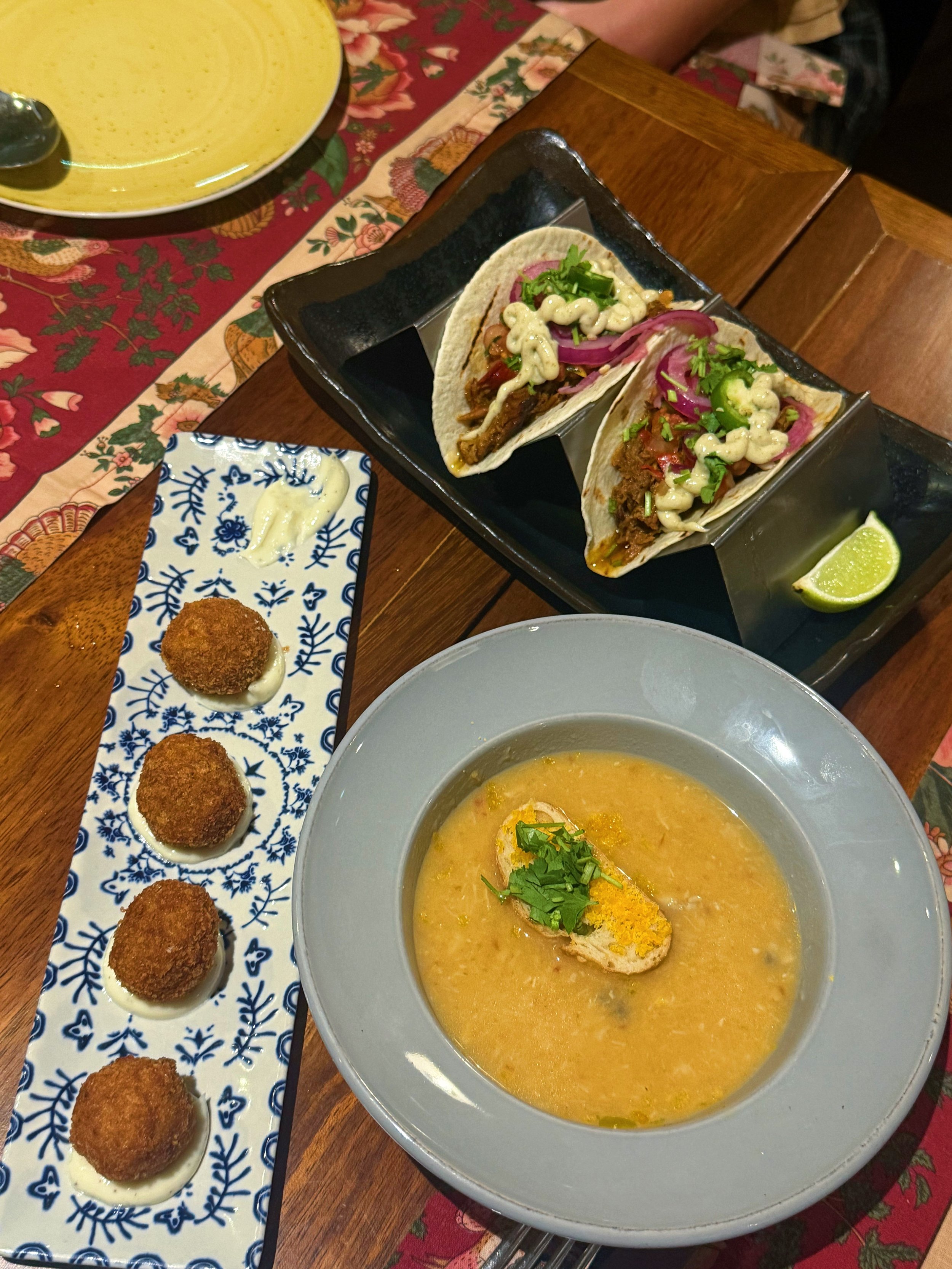
Cantina 32. Modern Portuguese, fun atmosphere, around 30 to 40 EUR per person.
Brick Clérigos. Brunch with a tropical feel, the best French toast in the city.
Wine and Douro Valley Tours
Porto is famous for wine and you should not leave without trying a few different types.
Port wine which is sweet and strong.
Vinho Verde which is light and crisp.
Orange wine which is aromatic and slightly bitter in the best way.
Ginjinha which is a strong and sweet cherry liquor.
A Douro Valley wine tour is one of the best day trips you can take. This full-day wine tour from Porto visits both the Vinho Verde region and the Douro Valley, with 11 tastings, exclusive winery access, a farm-to-table chef's lunch overlooking the river, and a private boat cruise in Pinhão. It is hands-on, scenic, and relaxed, designed to learn about Portuguese wine the fun way, glass always in hand.
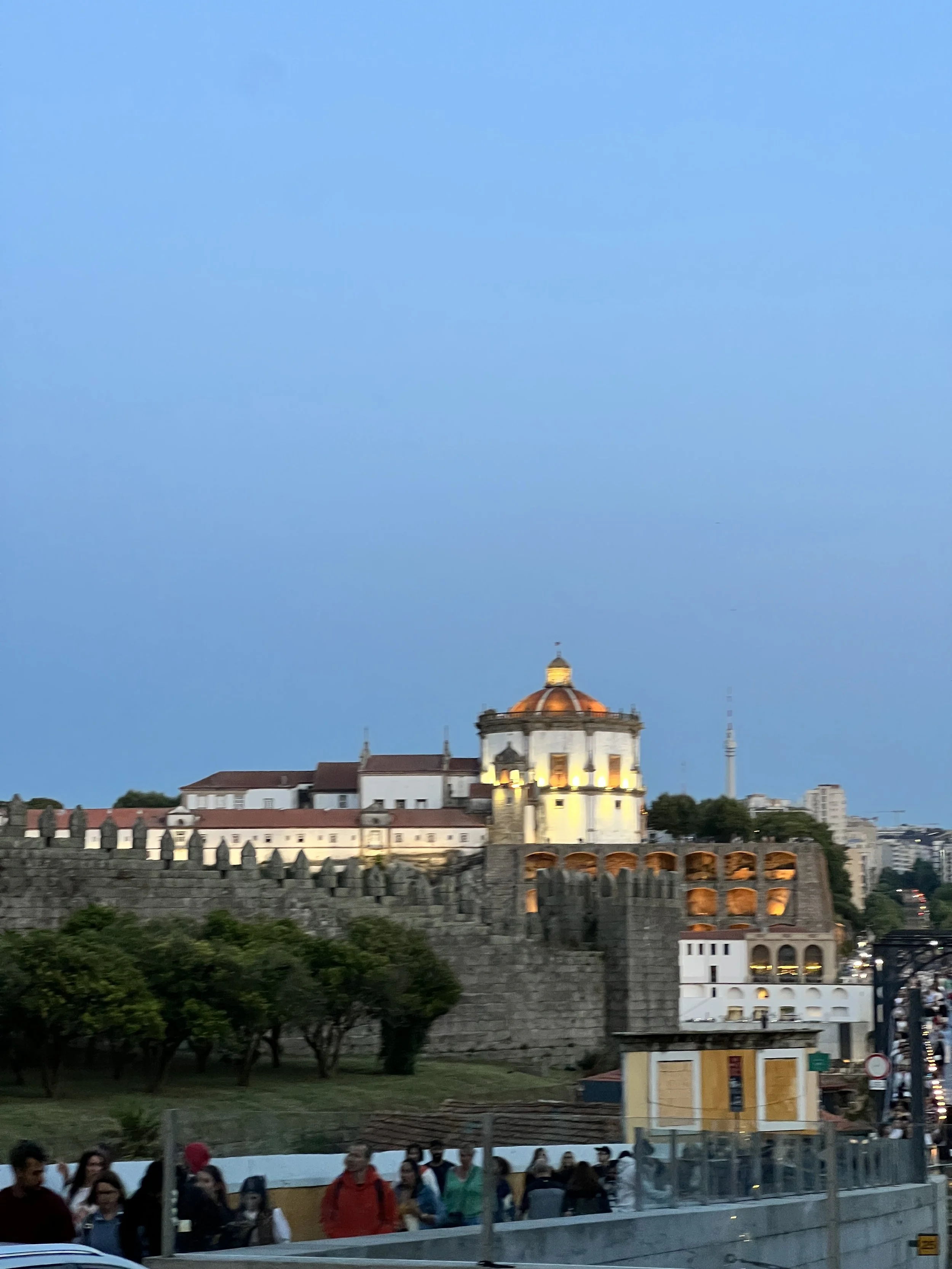
For a shorter version, the port wine cellars in Gaia can be visited individually for 15 to 30 EUR each. Graham's, Taylor's, and Cálem are the three most-recommended. Graham's has the best views from the patio, Taylor's has the most complete tasting room, Cálem is the easiest walk-up.
Best Nightlife in Porto
Porto's nightlife ranges from relaxed wine bars to late-night clubs.
Adega Leonor for a lively local bar experience.
Bar Aduela for wine and small bites.
Torto for music and a busy crowd.
Hard Club for concerts and club nights.
Apotecario Speakeasy for creative cocktails in an intimate setting.
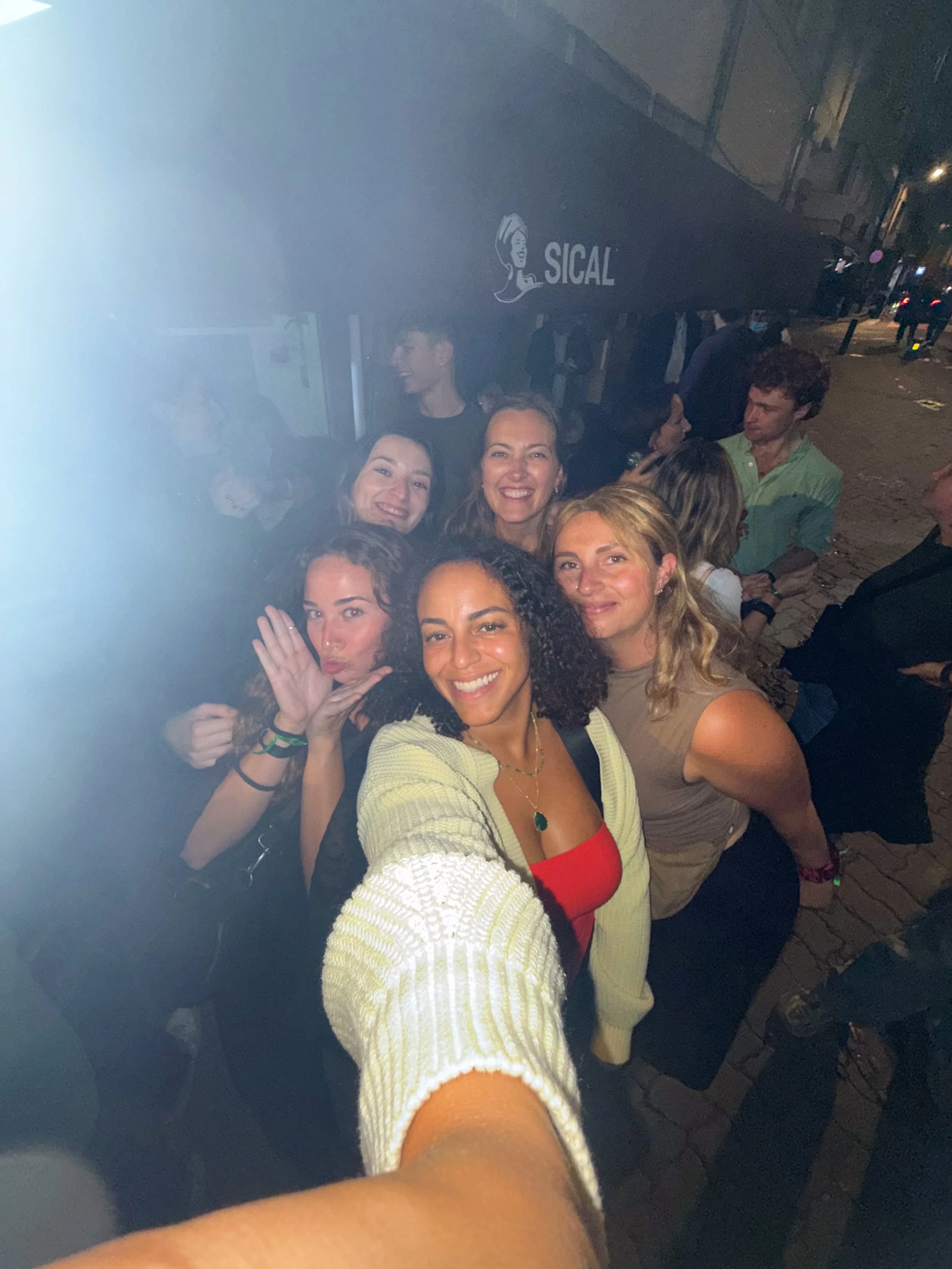
Plan B for dancing and late-night club music.
The riverside also comes alive at night with live music and people hanging out along the water.
Practical Tips
Walk as much as you can. The best parts of Porto appear when you are not looking for them.
Split your stay between two neighborhoods if you have 5+ days. Try Cedofeita first, then a few nights in Gaia or Foz for the slower pace.
Book the popular restaurants ahead. Tapabento, Cantina 32, Época, and Mont Bar especially fill up.
Plan a wine tour if you have at least one free day. The Douro Valley is the reason Porto is famous.
Spend time on both sides of the river. Porto and Gaia feel completely different.
Wear actual shoes. Porto is hilly and the cobblestones are slippery, especially after rain.
Cash for the smaller cafes and pastry counters. Most places take card, but 1 to 3 EUR pastel de nata purchases are faster with coins.
Budget Breakdown
Realistic per-day costs in Porto for the mid-range traveler:
Accommodation: 100 to 180 EUR/night (boutique hotel or quality Airbnb)
Food & drinks: 50 to 80 EUR/day (brunch, wine bar, one nicer dinner)
Activities & tours: 30 to 90 EUR/day (Douro tour adds up but is worth it)
Transport: 5 to 15 EUR/day (metro, the historic tram, occasional Uber)
Total: roughly 200 to 330 USD/day
A four-day Porto trip lands around 800 to 1,300 USD per person, not counting flights. Add 80 to 150 EUR for a Douro Valley day tour if you're doing one.
Final Thoughts
Porto is a city that rewards slow exploration. Walk the Ribeira neighborhoods, relax at BASE, try real pastel de nata, take a day trip to the Douro Valley, escape to Gaia's beaches, and end your nights listening to live music by the river or dancing at Plan B. The longer you stay, the more the city opens up to you.
If you're putting together a Portugal itinerary, my Lisbon solo travel guide covers the country's capital and the best neighborhoods to base yourself in. And if you have a week to add an island, my Madeira slow travel guide breaks down where to stay and how to actually see the island in 5 days.
