Lisbon Solo Travel Guide: Where to Stay, What to Eat, and How to Make Friends





Disclosure: Some links in this post are affiliate links, meaning I may earn a small commission if you book through them, at no extra cost to you. I only recommend places, tours, and stays I've personally used or would recommend to a close friend.
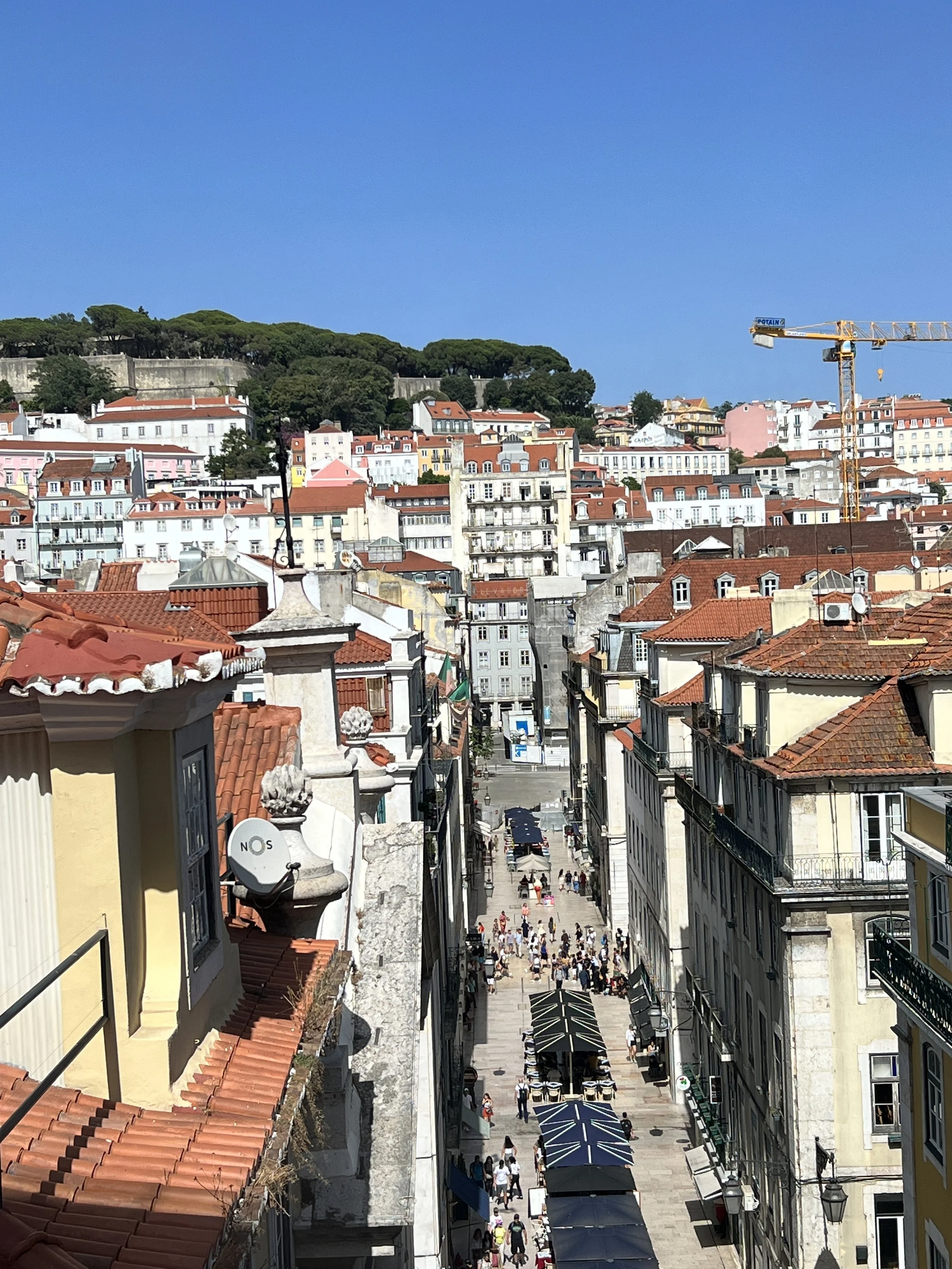
Lisbon was the first city in Europe I traveled to solo, and it still might be the city I'd recommend most to a woman doing her first solo trip abroad. It's safe, walkable, full of warm and direct locals, and built for the kind of slow, food-first wandering that solo travel rewards. The cobblestone streets get the photos, but what makes Lisbon work is the texture: tiled buildings around every corner, miradouros (viewpoints) with a glass of vinho verde at sunset, pastel de nata still warm from the oven, and the kind of conversations with strangers that turn into a real travel crew within 48 hours.
This guide is for women in their late 20s, 30s, and 40s planning a first solo trip to Lisbon (or anywhere in Europe). Where to stay if you want comfort and social access, where to eat, how to do Sintra without ruining the day, and how to actually meet people without forcing it.
Getting to Lisbon
Lisbon's airport (LIS) is unusually close to the city, about 15 minutes by taxi or 25 minutes by metro. The metro red line runs directly from the airport to São Sebastião where you can transfer to the rest of the city. Costs about 2 EUR. A taxi from the airport to the old town is around 12 to 18 EUR. Uber and Bolt both work here too and are often cheaper than the official taxis.
The train from Porto is 2 hours 50 minutes on the Alfa Pendular high-speed line. Book through CP (Comboios de Portugal) directly. Trains are comfortable, quiet, and serve food and wine, which makes the ride feel longer than it should in a good way.
When to Go
April through June and September through October are the sweet spot. The weather is warm but not oppressive, the days are long, and the city hasn't tipped into peak summer crowds. July and August are hot and tourist-heavy. November through February are mild but rainier, which is actually fine if you don't mind layering and you want a quieter version of the city.
Where to Stay in Lisbon
The neighborhoods matter here. The right pick depends on what kind of trip you want.
Alfama: the oldest district, narrow lanes, tile-covered buildings, fado bars at night. Romantic, quieter than the center, but very hilly. The trams cut through it.
Chiado / Bairro Alto: more central, restaurants and shops, Bairro Alto specifically gets loud at night with bar crawls. Good if you want to be in the middle of it.
Príncipe Real: my favorite neighborhood for slow travel. Tree-lined streets, small concept stores, design-forward cafes, locals walking dogs. Less touristy, still very walkable to everything.
LX Factory area / Alcântara: the trendy converted industrial area with street art, restaurants, and bookstores. Worth visiting, but I wouldn't stay here unless you've already done Lisbon once before.
Boutique Hotels Worth Booking
Lisboa Pessoa Hotel (Chiado). Mid-priced boutique inside a restored building, themed around the writer Fernando Pessoa, with a small rooftop bar. Around 130 to 180 EUR/night. Best for: first-time solo travelers who want a real hotel experience in the city center.
The Lumiares Hotel & Spa (Bairro Alto, on a quieter street). Modern apartments with kitchens inside a historic building. Around 140 to 200 EUR/night. Best for: solo travelers staying 4+ nights who want to settle in with a kitchen.
Memmo Príncipe Real (Príncipe Real). Small boutique, less touristy neighborhood, beautiful rooftop pool with views over the city. Around 150 to 220 EUR/night. Best for: a slightly more elevated stay in the neighborhood I'd most recommend.
Well-Located Airbnbs
Príncipe Real and Estrela (just west of Príncipe Real) are where I'd book on Airbnb. A clean one-bedroom in either area runs 80 to 140 EUR/night. Closer to LX Factory means more isolated; closer to Bairro Alto means louder at night. Pick based on whether you want morning quiet or evening access.
I stayed at an Airbnb near the LX Factory on my first Lisbon trip (with my best friend before the south of Portugal leg). It was beautiful and full of street art and good coffee, but it's a 20-minute Uber from the historic center. If I went back solo, I'd stay in Príncipe Real instead.
A Note on Hostels
If meeting people is the entire point of your trip, Yes! Lisbon Hostel is the social hostel in the city. Nightly family dinners, walking tours, bar crawls. I stayed here on my second Lisbon visit (my first time in any hostel) and met two women, Ashana and Jessica, who I'm still in a group chat with years later. Dorm beds are 25 to 40 EUR/night. The point isn't the bed, it's the community.
If you're past the dorm-bed phase but want the social side, book a boutique stay and walk to Yes! Lisbon's evening events or join walking tours and pub crawls separately. You can still get the community without the bunk bed.
What to Actually Do in Lisbon
Walk the Old Town and Take a Free Walking Tour
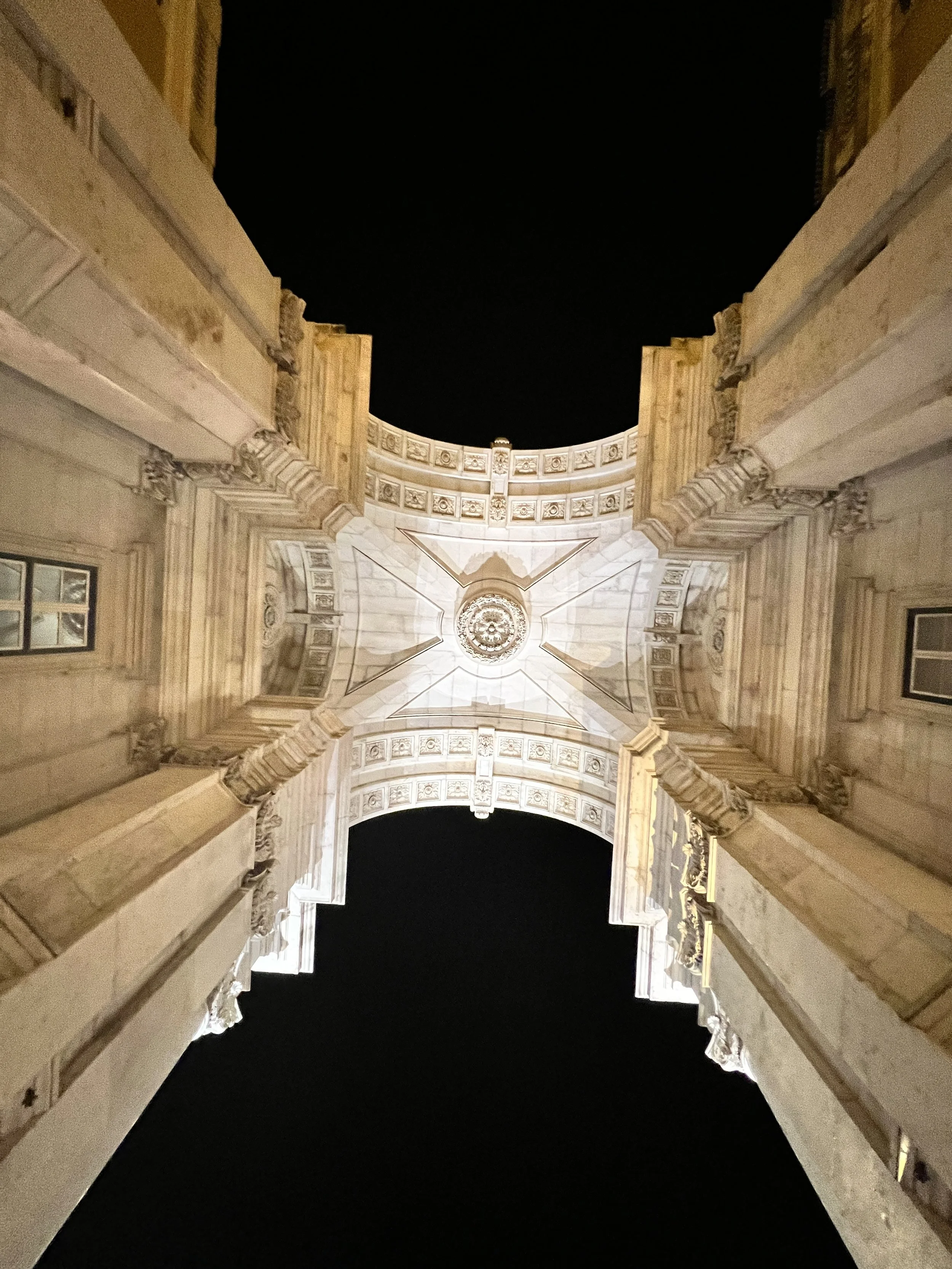
The single best thing I did on my first day in Lisbon was a free walking tour through the old town. Most tours start at Praça do Comércio at 10 AM or 3 PM, run by Sandeman's, Lisbon Chill-Out, or GuruWalk. They're free in name (tip 10 to 15 EUR at the end), 2.5 to 3 hours long, and give you a real sense of the city's history, neighborhoods, and the route between the main viewpoints. The Alfama-focused tours are the most rewarding.
For the fado (traditional Portuguese music) side of Lisbon, consider a separate evening fado walking tour or book a small fado show at Tasca do Chico (no reservations, get there by 7:30 PM) or Mesa de Frades (very small, book a week ahead, about 30 EUR for the show and dinner combo).
Day Trip to Sintra: Do It Right
Sintra is the day trip everyone takes, and most travelers do it wrong. I did it wrong the first time. I went too late, missed the castle interiors, and ended up doing a vague walking tour of the town instead of actually seeing what makes Sintra worth the trip.
Here's how to do it:
Leave Lisbon on the 8:30 AM train from Rossio Station. Tickets are about 5 EUR round-trip. The ride is 40 minutes.
Pre-book your timed entries for Pena Palace (the colorful one, 14 EUR) and Quinta da Regaleira (the spiral well one, 11 EUR). These sell out hours in advance in peak season. Use the official sites.
Take a tuk-tuk or local bus from Sintra's main square up to the palaces. The walk is steep and long.
Don't try to do both palaces plus the Moorish Castle in one day. Pick two. Pena and Regaleira is the most common combo and the easiest to manage time-wise.
Leave by late afternoon to beat the rush hour train back to Lisbon.
GetYourGuide offers small-group Sintra day tours from Lisbon for around 65 to 90 EUR per person if you'd rather have transport and entry tickets handled. Worth it for the time savings.
Miradouros (Viewpoints) for Sunset
Lisbon has about a dozen named miradouros, and you can spend a whole trip just hopping between them. The four most worth your time:
Miradouro de Santa Catarina: drinks at the kiosk, young crowd, the sunset spot.
Miradouro da Senhora do Monte: highest viewpoint, quieter, the best wide shot of the city.
Miradouro de São Pedro de Alcântara: in Bairro Alto, easy to combine with dinner nearby.
Miradouro das Portas do Sol: in Alfama, looking out over the tile roofs toward the river.
Bring a bottle of wine from any small grocery store (most cost 4 to 8 EUR), find a spot on the wall, and stay until the lights come on.
LX Factory
The converted industrial district under the 25 de Abril Bridge. Street art, design shops, bookstores (don't miss Ler Devagar, the bookstore with a printing press in the middle), small restaurants. Plan 2 to 3 hours, ideally in the afternoon. Sunday has a flea market that's worth timing your visit around.
Ride Tram 28
The classic yellow tram that goes through Alfama, Graça, and Estrela. It's touristy. It's also genuinely a great way to see the city if you treat it as a casual afternoon ride, not a stressful must-do. Board at Martim Moniz at the start of the line to actually get a seat. Avoid peak tourist hours (11 AM to 3 PM in summer). Pickpockets are real on this tram, keep your phone in a closed bag.
Where to Eat and Drink
Manteigaria (Chiado, multiple locations). The best pastel de nata in Lisbon. Stand at the counter, order one warm with cinnamon, eat it in three bites, order another. 1.40 EUR. Locals will fight you on Belém being better but Manteigaria is the actual answer.
Pastéis de Belém (Belém). The original pastel de nata bakery, secret recipe, founded in 1837. Worth the trip and the line for the history. The line moves faster than it looks.
Time Out Market (Cais do Sodré). A massive food hall with the city's best chefs running stalls. Touristy but legitimately good. Go for lunch, pick three stalls, share. The Marlene Vieira stall and the Henrique Sá Pessoa stall are the standouts.
Cervejaria Ramiro (Intendente). The seafood spot. No reservations, expect a wait, the line is part of the experience. Order garlic prawns, percebes (gooseneck barnacles, sounds weird, try them), and a prego no pão (steak sandwich) at the end. Around 40 to 60 EUR per person if you go for it.
A Cevicheria (Príncipe Real). Chef Kiko Martins. Modern Peruvian-Portuguese, the giant octopus tentacle hanging from the ceiling tells you the vibe. No reservations. 30 to 45 EUR per person.
Taberna da Rua das Flores (Chiado). Tiny, the menu changes daily, locals book ahead. A real food memory. Around 35 to 50 EUR per person. Book 4 to 5 days ahead.
O Trevo (Camões). The locals' lunch spot for bifana (slow-cooked pork sandwich, 3 EUR). Under-the-radar, simple, and the best 3 EUR you'll spend in Portugal.
Hello, Kristof (Príncipe Real). Specialty coffee, plants, the kind of place you'd find in Copenhagen. Best slow-morning spot in the city.
Copenhagen Coffee Lab (Príncipe Real, Anjos). Excellent coffee, multiple locations.
Park Bar (Bairro Alto, top of a parking garage). Rooftop bar with city views. Locals' favorite for golden hour drinks. Get there by 7 PM to claim a spot.
How to Meet People as a Solo Traveler
Lisbon makes this easier than almost any European capital. The things that actually worked for me:
Free walking tours. You'll naturally chat with people, and if you click, ask if they want to grab a drink after. This is the lowest-pressure way to meet travelers.
Hostel-run events even if you're not staying there. Yes! Lisbon sometimes welcomes outside guests to their bar crawls. Same with Sunset Destination Hostel at Cais do Sodré. Ask at the desk.
Hostel chat features. The Hostelworld app has a chat function for each city. People organize informal day trips, dinners, and bar crawls. Even if you're not staying in a hostel, the chats are public.
Day trips. Sintra, Cascais, Setúbal. These small-group experiences create instant travel friendships.
The miradouros at sunset. You don't need to be loud. Bring wine, sit somewhere, smile when someone makes eye contact. Lisbon is friendly.
Budget Breakdown (for the SonderLust audience)
Realistic per-day costs in Lisbon for the mid-range solo traveler:
Accommodation: 100 to 180 EUR/night (boutique hotel or quality Airbnb)
Food & drinks: 50 to 80 EUR/day (pastéis, market lunch, one nicer dinner, wine at the miradouro)
Activities & tours: 25 to 60 EUR/day (Sintra day trip, walking tours, fado show)
Transport: 5 to 10 EUR/day (metro, occasional Uber)
Total: roughly 200 to 330 USD/day
A four-day Lisbon trip lands around 800 to 1,300 USD per person, not counting flights.
Practical Tips
Wear actual shoes. Lisbon is hilly, and the cobblestones are slippery when wet. Cute sandals will end your day early.
The metro is excellent but limited. It covers the main neighborhoods but doesn't reach Belém or LX Factory. Use Uber or Bolt for those.
Tipping is not expected like in the US. Round up at restaurants. 5 to 10% on a sit-down dinner if service was great.
Cash for the pastry counters and small cafes. Most places take card, but the 1.40 EUR pastel de nata is faster with coins.
Pickpockets work the tram 28 and Praça do Comércio. Keep your phone in a zippered bag, especially in summer.
Pre-book Sintra entries. Same-day tickets at Pena Palace and Regaleira sell out by 10 AM in peak season.
The free walking tour is the best 2.5 hours of your first day. Book one online the night before.
Final Thoughts
Lisbon is the city where I learned that solo travel isn't lonely. It's the opposite. The streets are designed for wandering, the wine is cheap enough to buy a bottle on a whim, and the people you meet at a hostel bar or a Sintra tour become part of your story for years.
If you're going on to Portugal's north next, my Porto travel guide covers where to stay and the wine tour worth doing in the Douro Valley. If you want to add a Portuguese island leg, the Madeira slow travel guide is the next stop I'd recommend.
And if this is your first solo trip in general, my first-time solo travel tips for women covers the safety, packing, and mindset side in detail.
